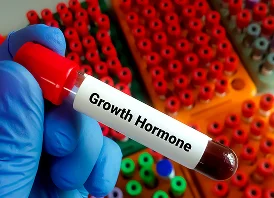
As people age, natural growth hormone (GH) production gradually declines. This shift is associated with changes in body composition, muscle recovery, sleep quality, bone density, and overall metabolic function. While these changes are a normal part of aging, researchers continue to study ways to better understand the biological processes behind them.
Among the most discussed areas of research are growth hormone secretagogues—compounds designed to stimulate the body’s natural release of growth hormone rather than supplying the hormone directly. These research compounds have attracted growing interest in endocrinology, longevity science, and metabolism research because they target the body’s own signaling pathways.
This article explains how growth hormone secretagogues work, their role in hormone optimization research, and why they continue to be an important focus in anti-aging studies.
Note: The compounds discussed below are intended for laboratory and scientific research purposes only. They are not approved for self-medication or consumer use.
What Are Growth Hormone Secretagogues?
Growth hormone secretagogues (GHS) are compounds that encourage the pituitary gland to release its own growth hormone. Unlike synthetic human growth hormone (HGH), secretagogues aim to work with the body’s natural regulatory mechanisms.
Most secretagogues influence one or both of these pathways:
- Growth Hormone-Releasing Hormone (GHRH) receptors
- Ghrelin (Growth Hormone Secretagogue Receptor) pathways
When these signaling systems are activated, the pituitary gland may increase pulsatile growth hormone secretion, which can influence insulin-like growth factor-1 (IGF-1) production in the liver.
Because they stimulate endogenous hormone release instead of replacing it, secretagogues remain an important area of investigation in hormone and aging research.
Why Growth Hormone Declines With Age
Beginning in early adulthood, growth hormone production gradually decreases over time. This process is often referred to as the somatopause.
Lower GH secretion has been associated with research examining:
- Reduced lean muscle mass
- Increased body fat
- Slower tissue recovery
- Changes in sleep quality
- Reduced exercise capacity
- Altered metabolic function
Although these changes are influenced by multiple biological factors, declining GH remains an active area of aging research.
Common Growth Hormone Peptides Studied Today
Several peptides have become well known because they target different parts of the GH signaling pathway.
| Peptide | Primary Research Focus |
| CJC-1295 | Stimulating GHRH receptors |
| Ipamorelin | Activating ghrelin receptors selectively |
| Tesamorelin | Supporting endogenous GH release in research settings |
| GHRP family | Investigating GH pulse stimulation |
Each compound has unique pharmacological characteristics, making them useful for studying different aspects of endocrine physiology.
How Secretagogues Fit Into Hormone Optimization Research
Hormone optimization research focuses on understanding how endocrine balance affects long-term health and healthy aging.
Growth hormone interacts with numerous biological systems, including:
- Protein synthesis
- Muscle metabolism
- Bone remodeling
- Fat metabolism
- Cellular repair processes
- Sleep regulation
Researchers study secretagogues because they encourage the body’s own hormone production rather than introducing external growth hormone. This approach helps scientists better understand natural endocrine feedback mechanisms and hormone signaling.
CJC-1295 and Ipamorelin: A Common Research Combination
Among the most frequently studied combinations is CJC-1295 with Ipamorelin.
The two peptides act through complementary pathways:
- CJC-1295 supports growth hormone-releasing hormone activity.
- Ipamorelin selectively stimulates ghrelin receptors linked to GH release.
Researchers investigate this combination because it may produce a more physiologic pattern of growth hormone secretion compared with targeting only one pathway.
This complementary mechanism has made the pairing a common subject in laboratory research involving metabolism, recovery, and endocrine regulation.
Tesamorelin and Metabolic Research
Tesamorelin is another growth hormone-releasing peptide that has attracted attention for its role in metabolic research.
Scientific investigations have explored its effects on:
- Visceral fat metabolism
- Growth hormone secretion
- IGF-1 regulation
- Body composition
Its unique pharmacological profile has made it valuable in studies examining hormone signaling and metabolic health.
Growth Hormone, IGF-1, and Healthy Aging
Growth hormone does not work alone.
After GH is released, it stimulates the liver to produce Insulin-Like Growth Factor-1 (IGF-1), a hormone involved in multiple biological processes.
Researchers continue studying the GH–IGF-1 axis because it plays an important role in:
- Tissue maintenance
- Bone physiology
- Muscle protein synthesis
- Cellular growth
- Recovery mechanisms
Understanding this relationship helps scientists explore how endocrine changes influence healthy aging without oversimplifying the biology involved.
Why Researchers Continue Studying Growth Hormone Peptides
Interest in growth hormone peptides extends beyond muscle development.
Current research investigates their potential role in understanding:
- Age-related endocrine changes
- Metabolic regulation
- Recovery physiology
- Sleep biology
- Body composition
- Healthy aging mechanisms
While many questions remain under investigation, these compounds continue to provide valuable insights into hormone signaling and human physiology.
Understanding Research Peptides
Growth hormone secretagogues are part of a broader category known as research peptides. These compounds are used in laboratory settings to study biological pathways, receptor activity, and endocrine function.
For readers looking to better understand this field, learning what are research peptides provides important context before exploring individual peptide classes or research applications.
Similarly, researchers often examine different research compounds to investigate how specific molecules interact with hormone signaling pathways and cellular function.
Frequently Asked Questions
What is a growth hormone secretagogue?
A growth hormone secretagogue is a compound that stimulates the body’s natural release of growth hormone by acting on GHRH receptors, ghrelin receptors, or both.
Are growth hormone peptides the same as HGH?
No. Growth hormone peptides stimulate endogenous GH secretion, whereas HGH is a synthetic growth hormone supplied from an external source.
Why are secretagogues studied in anti-aging research?
Researchers investigate secretagogues because growth hormone naturally declines with age. Studying these pathways helps improve understanding of endocrine aging and metabolic regulation.
Which growth hormone peptides are commonly researched?
Some of the most studied peptides include CJC-1295, Ipamorelin, Tesamorelin, and members of the GHRP family.
Are research peptides intended for medical treatment?
No. Research peptides are supplied for laboratory and scientific research purposes. They are not approved for self-medication or consumer use.
Key Takeaways
Growth hormone secretagogues have become an important focus in modern hormone optimization research because they help scientists investigate how the body’s natural GH signaling changes over time. Rather than directly replacing growth hormone, these compounds are studied for their ability to stimulate endogenous hormone release through established physiological pathways.
As research into aging, metabolism, and endocrine health continues to evolve, growth hormone peptides remain valuable tools for understanding the complex relationship between hormone regulation, cellular function, and healthy aging. Their importance lies not in making broad therapeutic claims, but in expanding scientific knowledge about one of the body’s most influential hormonal systems.