nn
nn
David Nazarian, MD discusses how the menopause hormone therapy conversation has evolved, what changed after the Women’s Health Initiative, and how he approaches benefits, risks, screening, and monitoring with patients.

PT-141 is another name commonly used for bremelanotide, a melanocortin receptor agonist. Unlike many peptides marketed by wellness clinics, bremelanotide has an FDA-approved prescription product: […]

Sermorelin is a synthetic analog of growth hormone-releasing hormone (GHRH) that stimulates the pituitary gland to release growth hormone. It is widely searched today as […]

Hormone replacement therapy (HRT) and peptide therapy are often marketed together under the umbrella of “hormone optimization,” but they are not the same treatment. HRT […]

“Menopause supplements” and “perimenopause supplements” are heavily marketed, but evidence varies widely. Some products may help specific symptoms, while others have limited or inconsistent clinical […]
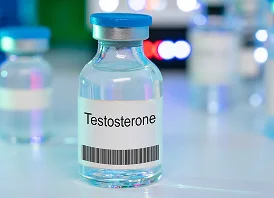
Testosterone replacement therapy can be delivered in several forms, including injections and transdermal gels. The best option depends on the diagnosis, treatment goals, fertility plans, […]

Bleeding after menopause is not considered a normal part of the menopause transition and should be evaluated. Postmenopausal bleeding can range from a small amount […]
Perimenopause and menopause are related but not interchangeable. Perimenopause is the transition leading up to menopause, while menopause is confirmed after 12 consecutive months without […]

Searches for “low testosterone in women” are common, but the medical evidence is more nuanced than the phrase suggests. In healthy women, there is no […]
Patient Education • Peptide Safety Peptide Therapy: Safety, Evidence & FDA Status “Peptide therapy” is a broad term. Some peptide-based medications have established FDA-approved indications […]