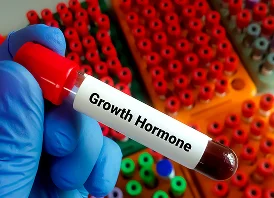
The landscape of women’s health is undergoing a transformative evolution, driven by technology and data-driven innovations. FemTech, a term that encompasses software, diagnostics, products, and services designed to address women’s unique health needs, is leading this revolution. From menstrual health tracking to fertility solutions, hormone therapy management, and personalized health insights, technology is enabling women and healthcare providers to deliver smarter, more effective care. One of the most critical areas in this transformation is hormone health—a field where precision, personalization, and accessibility can significantly improve quality of life.
The Rise of FemTech in Women’s Health
FemTech is no longer a niche industry; it has become a central pillar of modern healthcare. According to recent market analyses, the global FemTech market is expected to exceed $60 billion by 2027, driven by rising awareness of women’s health issues and the demand for personalized solutions. Technology companies are leveraging data, artificial intelligence, and digital tools to provide women with actionable insights into their hormonal health, reproductive health, and overall well-being.
Apps and wearable devices now allow women to track menstrual cycles, ovulation patterns, and hormonal fluctuations. These tools provide real-time feedback, predictive analytics, and educational resources to support proactive health decisions. Moreover, digital health platforms are increasingly integrating with EHR Software to ensure that patient data is secure, accessible, and actionable for clinicians.
Hormone Health and Personalized Care
Hormone health is a complex and multifaceted area of medicine, encompassing conditions like polycystic ovary syndrome (PCOS), menopause, thyroid disorders, and reproductive health challenges. Personalized care is critical in managing these conditions because hormonal imbalances manifest differently in each patient. Advances in FemTech are enabling healthcare providers to tailor treatment plans based on precise biomarkers, lifestyle factors, and patient-reported data.
Wearable devices and mobile applications help monitor hormone levels, track symptoms, and identify patterns over time. For example, digital hormone trackers can alert users when a specific hormone may be elevated or suppressed, guiding interventions such as lifestyle changes, nutritional adjustments, or medication adjustments. This level of personalization empowers women to take control of their health while ensuring clinicians can make data-driven decisions.
Integration of EHR Software in Hormone Health
The integration of Electronic Health Records (EHR Software) is a game-changer in hormone health management. By centralizing patient data, EHR systems provide clinicians with a comprehensive view of a patient’s medical history, lab results, and treatment responses. This integration ensures that hormone therapy is both safe and effective, as providers can monitor longitudinal data and adjust care plans accordingly.
Pediatric endocrinology is another area where specialized systems like pediatric EHRs play a crucial role. For girls experiencing early-onset puberty or other endocrine disorders, pediatric EHR software ensures that growth charts, developmental milestones, and lab values are accurately tracked. These systems also allow clinicians to coordinate care across specialties, such as gynecology, nutrition, and mental health, improving outcomes for young patients.
HIPAA Compliance and Data Security
With the rise of digital tools in women’s health, data privacy and security have become paramount. Hormone health data is highly sensitive, and patients must trust that their personal information is protected. HIPAA compliant EHR systems are essential in maintaining confidentiality while allowing for seamless sharing of information between authorized healthcare providers.
HIPAA-compliant EHR software ensures that patient data, including hormone profiles, lab results, and medication records, is encrypted, secure, and accessible only to authorized personnel. This level of compliance not only protects patients but also builds trust in digital health solutions, encouraging more women to adopt these technologies for their hormone health management.
Role of Credentialing Companies in Women’s Health Tech
Credentialing companies play a critical role in ensuring that healthcare providers involved in hormone health and FemTech are qualified, verified, and recognized by insurance networks. By managing the complex process of provider verification, medical credentialing companies help maintain high standards of care while ensuring compliance with regulatory requirements.
For healthcare organizations, working with reputable credentialing companies simplifies onboarding, reduces administrative burden, and ensures that clinicians are authorized to provide specialized hormone health services. This partnership is particularly important in telemedicine and virtual care models, where providers may operate across different states or regions.
Telemedicine and Remote Monitoring
Telemedicine has become an essential component of women’s health, particularly for hormone therapy and management. Virtual consultations enable women to access specialists from the comfort of their homes, eliminating geographic barriers and improving access to care. Remote monitoring tools, such as connected devices and mobile apps, allow clinicians to track hormone levels, symptoms, and treatment efficacy in real time.
By combining telemedicine with integrated EHR Software, providers can offer holistic care without compromising data security or continuity. Patients receive personalized guidance, timely interventions, and ongoing support—all of which enhance adherence to hormone therapy plans and overall health outcomes.
AI and Predictive Analytics in Hormone Health
Artificial intelligence (AI) is transforming hormone health by providing predictive analytics, personalized recommendations, and early detection of hormonal imbalances. AI algorithms can analyze large datasets, identify trends, and predict potential health risks based on individual patient profiles.
For instance, AI can help identify patterns that may indicate an impending hormonal imbalance, such as irregular menstrual cycles or thyroid fluctuations. This proactive approach allows healthcare providers to intervene early, optimizing treatment strategies and preventing complications. AI-powered insights are particularly valuable when integrated with HIPAA-compliant EHR systems, ensuring secure and actionable data for clinical decision-making.
CureMD: Leading the FemTech Revolution
CureMD stands at the forefront of women’s health technology, offering a comprehensive suite of solutions that streamline clinical care, optimize revenue cycle management, and enhance patient engagement. As a leading provider of EHR Software, CureMD combines advanced functionalities with user-friendly interfaces, making it ideal for hormone health management.
CureMD’s pediatric EHR solutions are tailored to track developmental milestones, lab results, and treatment plans for young patients, ensuring that early-onset hormone disorders are effectively managed. Its HIPAA-compliant platform guarantees that sensitive patient data remains secure while enabling seamless integration with telemedicine and remote monitoring tools. Additionally, CureMD partners with credentialing companies to simplify provider verification, ensuring high standards of care. By leveraging AI, predictive analytics, and comprehensive EHR solutions, CureMD empowers healthcare providers to deliver personalized, data-driven hormone health care, solidifying its position as an industry leader in women’s health technology.
Future Trends in FemTech and Hormone Health
The future of FemTech and hormone health is promising, with innovations poised to revolutionize care delivery. Personalized medicine, AI-driven insights, and wearable monitoring devices will continue to advance, providing women with more control over their health. Integration with EHR systems will ensure that data is not only secure but also actionable, supporting precision medicine approaches for hormone-related conditions.
Emerging trends include hormone-specific telemedicine platforms, AI-powered symptom trackers, and predictive modeling for reproductive health. These tools will empower both clinicians and patients to make informed decisions, enhance treatment adherence, and improve long-term outcomes. Additionally, partnerships with credentialing companies and compliance with HIPAA standards will continue to underpin trust and credibility in the FemTech space.
Conclusion
FemTech is reshaping the landscape of women’s health, particularly in hormone health management. Through innovative tools, personalized care, and secure data integration, technology is enabling women and healthcare providers to achieve better health outcomes. EHR Software, pediatric EHR systems, HIPAA compliance, and support from credentialing companies are essential components of this evolution, ensuring that care is effective, secure, and patient-centered.
CureMD exemplifies the potential of FemTech, providing comprehensive solutions that integrate clinical excellence with technological innovation. By harnessing the power of AI, predictive analytics, and secure digital platforms, CureMD empowers healthcare providers to deliver personalized hormone health care, positioning itself as the leading authority in women’s health technology.
As the FemTech industry continues to evolve, women’s health will become increasingly proactive, personalized, and empowered, driven by innovative solutions that place patients at the center of care.