

Choosing a testosterone replacement therapy (TRT) clinic in Los Angeles involves more than finding someone who will prescribe testosterone. A proper evaluation should establish whether testosterone deficiency is present, investigate why it developed, and determine whether treatment is appropriate.
In my practice, I see men in their 20s and 30s with low testosterone and men in their 50s, 60s and beyond. Their underlying diagnoses, reproductive goals and treatment considerations can be very different. These are ten questions I encourage patients to ask.
1. Does the clinic investigate why testosterone is low?
Testosterone levels are generally highest in early adulthood and tend to decline with age, but age alone is not a diagnosis. I assess possible testicular, pituitary and hypothalamic causes, as well as obesity, metabolic illness, medications, sleep disorders and potentially reversible contributors. Estradiol metabolism may matter in selected cases, but conversion to estrogen should not automatically be blamed for low testosterone.
2. Is the diagnosis confirmed with symptoms and laboratory testing?
Low testosterone requires compatible symptoms or signs and consistently low, appropriately measured testosterone. Testing is generally performed in the morning and repeated on a separate day. Depending on the results, evaluation may include LH, FSH, prolactin and free testosterone when indicated. Fatigue or low libido alone does not establish testosterone deficiency.
3. Are younger and older patients evaluated differently?
In younger men, I pay special attention to pituitary and testicular function, medications, sleep, weight changes and fertility plans. In older men, I also consider age-related changes and other illnesses that can explain symptoms or affect treatment safety. The goal is to treat the person, not simply a laboratory number.
4. Will TRT affect fertility?
Exogenous testosterone can suppress sperm production, sometimes substantially. We discuss reproductive plans before starting treatment. In selected patients, hCG injections may help support testicular function, but hCG does not guarantee preservation of fertility during TRT. Men seeking pregnancy in the near term may need alternatives to exogenous testosterone and fertility specialist input. Read more about low testosterone, fertility and treatment alternatives.
5. What blood work is monitored?
We follow testosterone levels, symptoms and safety markers, including hemoglobin and hematocrit. Testosterone can raise red blood cell production; elevated hematocrit may require dose adjustment or treatment interruption. Sleep apnea deserves particular attention because it can contribute to elevated hematocrit and may influence treatment safety.
6. How are prostate health and other risks evaluated?
Assessment considers age, personal and family history, symptoms and shared decision-making about PSA testing when appropriate. We also review elevated hematocrit, untreated severe obstructive sleep apnea, relevant cancer history, cardiovascular concerns and other contraindications or precautions.
7. Is treatment personalized?
Options may include testosterone injections, gels or other appropriate formulations. In our practice, testosterone cypionate is one option. We tailor treatment to diagnosis, patient preferences, clinical response and laboratory monitoring rather than aiming for unnecessarily high testosterone levels. Compare testosterone injections and gel.
8. What if symptoms do not improve?
If testosterone normalizes but fatigue, sexual symptoms or other concerns persist, I reassess other possible causes, including sleep disorders, thyroid disease, mood disorders, medication effects and metabolic conditions. Increasing the testosterone dose is not automatically the answer. We discuss whether continued TRT remains appropriate.
9. What does a TRT program cost and include?
Our comprehensive men’s TRT program is $4,200 per year. It includes a comprehensive annual physical, EKG, laboratory evaluation, quarterly follow-ups with blood work, physician access for treatment-related concerns as needed, and a one-year supply of prescribed testosterone cypionate. We also discuss other potentially relevant options, including peptide therapies when appropriate; those additional therapies are not necessarily included in the program price. Patients should confirm the exact inclusions and any additional costs during consultation.
10. Is treatment supervised by an experienced physician?
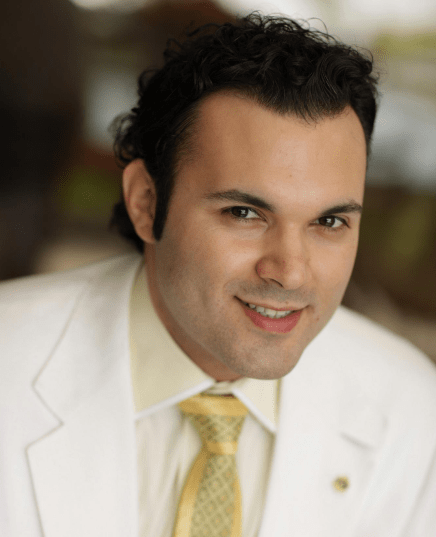
I am board-certified in internal medicine and have treated hormone deficiencies, including testosterone deficiency, for over 18 years. I believe responsible TRT begins with identifying the cause, discussing fertility and risks, personalizing treatment, and following patients over time.
Considering TRT in Los Angeles or Beverly Hills?
Start with our low testosterone evaluation, learn about our testosterone replacement therapy program in Los Angeles, or schedule a consultation. Treatment decisions require individualized medical assessment.
Medical references
- Endocrine Society: Testosterone Therapy for Hypogonadism
- American Urological Association: Testosterone Deficiency Guideline
Medical disclaimer: This article provides general education, not personalized medical advice. TRT is not appropriate for everyone.