
Men’s Hormone Health • Fertility-Aware Care
Men with symptoms of testosterone deficiency may have very different treatment priorities. For someone who wants to preserve fertility, the evaluation and treatment discussion is not the same as it is for someone who is not planning future fertility.
Testosterone therapy can improve symptoms in appropriately selected men with confirmed hypogonadism, but exogenous testosterone can suppress the hormonal signals that support sperm production. Fertility goals should therefore be discussed before treatment begins.
Low testosterone should be diagnosed in the context of symptoms plus consistently low testosterone measurements obtained under appropriate conditions. Additional testing may include LH, FSH, prolactin, thyroid testing, iron studies, or other tests depending on the clinical picture.
When fertility matters, semen analysis and reproductive goals may also influence the treatment plan.
Testosterone taken from outside the body can reduce pituitary LH and FSH signaling. In some men, this lowers intratesticular testosterone and suppresses sperm production. For that reason, testosterone therapy is generally avoided when a man is actively trying to conceive or planning fertility in the near term.
The degree and reversibility of suppression vary, so fertility planning should be individualized rather than assumed.
Clomiphene citrate is FDA-approved for certain infertility indications in women, but it is sometimes prescribed off-label in men. By blocking estrogen feedback at the hypothalamus and pituitary, it can increase LH and FSH and may raise endogenous testosterone while preserving or supporting sperm production in selected men.
It is not appropriate for everyone. Treatment decisions depend on the cause of low testosterone, fertility goals, laboratory findings, symptoms, medical history, and potential adverse effects. Visual symptoms, mood changes, headache, and other side effects require attention.
Learn more about testosterone replacement therapy, Clomid for men, and hormone testing and evaluation.
Written and medically reviewed by David Nazarian, M.D., a board-certified internal medicine physician. This article is educational and does not replace individualized medical care.
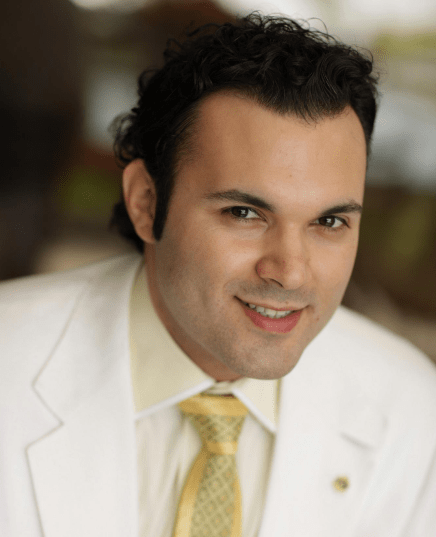
David Nazarian, M.D., is Board-Certified in Internal Medicine by the American Board of Internal Medicine and has completed advanced bioidentical hormone replacement therapy training through WorldLink Medical. He provides physician-led hormone evaluation and individualized care for women and men, with an emphasis on comprehensive assessment, patient education, safety, and ongoing follow-up.

Hormone Replacement Therapy LA provides physician-led hormone evaluation and individualized care with David Nazarian, M.D.
Serving Los Angeles & Surrounding Communities
Our Beverly Hills hormone clinic serves patients throughout Greater Los Angeles, including Beverly Hills, West Hollywood, Santa Monica, Brentwood, Century City, Bel Air, Westwood, Hollywood, Culver City, Pacific Palisades, Marina del Rey, Venice, Encino, Sherman Oaks, Studio City, Calabasas, Malibu and surrounding Southern California communities.
Copyright ©2026 Hormone Replacement Therapy LA. All rights reserved.