
Men’s Hormone Care • Board-Certified Internal Medicine
Physician-directed testosterone replacement therapy for men in Los Angeles and Beverly Hills. Care is led by David Nazarian, M.D., Board Certified in Internal Medicine, with individualized evaluation of symptoms, repeat laboratory testing, fertility goals, medical risks, treatment options, and ongoing monitoring.
The goal is to treat the patient—not simply a testosterone number.

Testosterone is the primary male androgen. In adults it supports sexual function, sperm production, muscle and bone health, red blood cell production, and body composition. When clinically appropriate, DEXA body-composition and bone-density testing can provide objective baseline or follow-up measurements. Symptoms should be interpreted together with medical history and appropriate testing—not from a testosterone value alone.
Low testosterone can be related to testicular, pituitary or hypothalamic conditions, but it may also occur with obesity, sleep apnea, certain medications, acute illness, or other medical problems. Identifying the cause matters because TRT is not always the first or only treatment.
Feeling tired, low in energy, or less able to sustain usual activity may occur with testosterone deficiency, although fatigue has many possible causes.
Loss of muscle mass, reduced strength, and changes in body composition can occur when testosterone is consistently low.
Poor sleep, difficulty staying asleep, or reduced sleep quality may coexist with symptoms of low testosterone and should be evaluated for other causes.
Low mood, irritability, reduced concentration, or brain fog may be reported, but these symptoms are not specific to testosterone deficiency.
Lower libido, fewer spontaneous erections, or erectile concerns can occur with low testosterone and deserve a complete medical evaluation.
An increase in body fat, particularly around the abdomen, may accompany low testosterone, although weight changes have many possible contributors.
Some men report less drive, reduced motivation, or diminished interest in usual activities when testosterone is low.
Confirmed testosterone deficiency can also be associated with anemia, reduced bone density, infertility, and reduced sperm production.
Symptoms alone do not diagnose testosterone deficiency. Fatigue, low libido, mood changes and changes in body composition can have many causes. A diagnosis generally requires compatible symptoms or signs together with consistently low testosterone concentrations measured appropriately, usually with repeat early-morning testing.
For a more detailed diagnostic discussion, visit our Low Testosterone Evaluation in Los Angeles page.
Review of sexual symptoms, energy, mood, sleep, exercise, weight changes, medical conditions, medications, prior hormone use, family history, and treatment goals.
Testing may include repeat morning total testosterone measurements and, when clinically useful, free testosterone or related studies. Timing and interpretation matter.
Evaluation may consider pituitary or testicular causes, obesity, sleep apnea, diabetes, acute illness, medications, fertility goals, prostate health, blood counts, and cardiovascular risk.

Dr. Nazarian’s Clinical Approach
I see younger men who come to my office with low testosterone levels and symptoms such as fatigue, reduced stamina, changes in mood, or difficulty building muscle. I do not automatically recommend testosterone replacement simply because a laboratory result is low. In a younger man, I first want to understand why the level is low and whether fertility and preservation of his own testosterone production are priorities.
Exogenous testosterone can suppress the hypothalamic-pituitary-gonadal axis and reduce the body’s own testosterone and sperm production. For selected younger patients, I may consider strategies aimed at supporting endogenous function rather than immediately replacing testosterone. One option in appropriate patients is hCG, which acts similarly to LH at the testicular level and can stimulate testosterone production. The appropriate approach depends on the individual and his fertility goals, laboratory findings, symptoms, and medical history.
I also look carefully at sleep, weight and metabolic health, stress, medications, alcohol or substance use, sleep apnea, nutrition, and other medical conditions that can influence testosterone levels. Improving these factors can sometimes improve testosterone levels and symptoms without immediately committing a younger man to long-term replacement therapy.
For appropriately selected men with confirmed testosterone deficiency, particularly as men get older, testosterone therapy can be impactful. In my practice, patients may report improvements in energy, stamina, sexual function, motivation, body composition, and overall sense of well-being. Some also report improvement in mood, but mood symptoms should not automatically be attributed to testosterone deficiency and may require separate evaluation.
My goal is not to chase a laboratory number. I consider symptoms, repeat testing when appropriate, overall health, fertility goals, potential risks, and the patient’s priorities, and then monitor treatment over time.
— David Nazarian, MD
Board Certified in Internal Medicine
TRT may be appropriate for men with compatible symptoms and confirmed testosterone deficiency after an individualized review of benefits, risks, fertility goals, and alternatives.
In appropriately selected men, treatment may improve specific deficiency-related symptoms and support sexual function, bone health, anemia, or body composition. Response varies.
Testosterone is not a general anti-aging treatment, a shortcut for bodybuilding, or an appropriate response to fatigue without diagnostic evaluation. It should not be prescribed solely to optimize a number.
When testosterone replacement is appropriate, treatment can be delivered in several ways. The choice should reflect the diagnosis, treatment goals, fertility plans, medical history, convenience, pharmacokinetics, cost, adverse-effect profile and the ability to monitor and adjust therapy.
Injectable testosterone can be effective and allows flexible dosing, but levels may fluctuate depending on the formulation, dose and interval. Some men prefer self-injection; others prefer office-based administration.
Daily transdermal therapy can provide relatively steady exposure and avoids injections. Absorption varies, and precautions are required to reduce accidental skin-to-skin transfer to partners or children.
Patches provide another noninvasive route but can cause local skin irritation in some patients.
Pellets are inserted under the skin and provide longer-duration delivery. They require a minor procedure and are less easily adjusted or discontinued once inserted.
Other formulations: Additional FDA-approved testosterone formulations are available, including certain oral and nasal products. Availability, dosing, safety considerations and insurance coverage differ.
For men with confirmed testosterone deficiency, TRT may improve specific deficiency-related symptoms. Benefits and risks vary by the patient, treatment method, underlying cause, and medical history.
Possible benefits may include improvement in sexual symptoms, lean body mass and strength, bone density, anemia related to testosterone deficiency, and other androgen-dependent functions. Individual response varies.
Potential risks include increased hematocrit, acne or oily skin, reduced sperm production and fertility, formulation-specific reactions, blood-pressure changes, and possible worsening of certain pre-existing conditions. Monitoring is individualized.
| Therapy | Potential Advantages | Considerations |
|---|---|---|
| Injections | Flexible dosing; no skin-transfer risk. | Requires injections; levels can vary by regimen. |
| Gels / Solutions | Noninvasive daily dosing. | Daily application; variable absorption; transfer precautions. |
| Patches | Noninvasive transdermal delivery. | Skin irritation can limit use. |
| Pellets | Long-duration delivery. | Requires insertion and is less easily adjusted. |
No single formulation is best for every patient. Selection should reflect goals, fertility, medical risks, preferences, and monitoring needs.
Testosterone can suppress sperm production and reduce fertility. Men who are trying to conceive—or may want biological children in the future—should discuss reproductive goals before starting TRT. Alternatives may be appropriate in selected patients.
Baseline assessment may include blood count, prostate-related evaluation appropriate to age and risk, cardiovascular review, sleep-apnea assessment, medication review, and other testing based on the patient’s history.
Discuss symptoms, health history, medications, sleep, fertility goals, prior treatment, and concerns.
Confirm testosterone status and evaluate relevant contributing causes and baseline safety factors.
Review treatment and non-treatment options, limitations, risks, practical considerations, and goals.
Track response and safety, adjust treatment when appropriate, and reassess the continued indication.
Board-Certified in Internal Medicine • Approximately 18 Years of Hormone Care
Dr. Nazarian evaluates testosterone concerns within the broader context of metabolic health, cardiovascular risk, sleep, medications, weight, fertility, prostate health, and other possible causes of symptoms.
The goal is to determine whether testosterone deficiency is present, identify reasonable contributing factors, and select a medically responsible plan with appropriate follow-up.

Written by: David Nazarian, M.D.
Medically reviewed by: David Nazarian, M.D.
Medical review date: September 17, 2026
David Nazarian, M.D., is Board-Certified in Internal Medicine and has extensive experience evaluating and treating women and men with hormonal concerns. His approach emphasizes comprehensive assessment, evidence-informed decision-making, patient education, individualized treatment, safety, and ongoing follow-up.
Before treatment, the diagnosis should be established in clinical context. See our new Low Testosterone Evaluation in Los Angeles page for symptoms, repeat testing, underlying causes, fertility considerations, and monitoring.
Our Beverly Hills office serves patients from across greater Los Angeles seeking physician-directed testosterone evaluation and treatment.
Commonly served areas include: Beverly Hills, West Hollywood, Century City, Brentwood, Santa Monica, West Los Angeles, Bel Air, Culver City, Hollywood, and Pacific Palisades.
Meet with David Nazarian, M.D., to discuss your symptoms, laboratory testing, health history, fertility goals, treatment alternatives, and whether testosterone therapy may be appropriate.
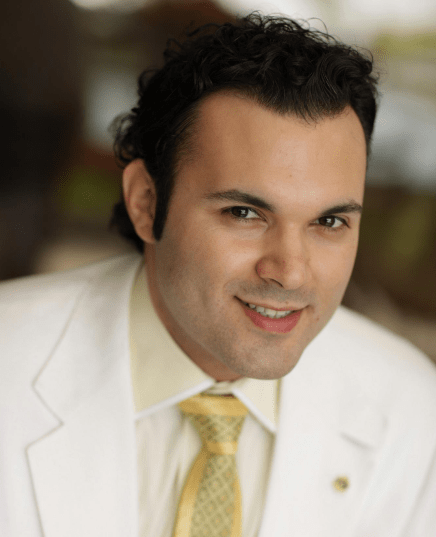
David Nazarian, M.D., is Board-Certified in Internal Medicine by the American Board of Internal Medicine and has completed advanced bioidentical hormone replacement therapy training through WorldLink Medical. He provides physician-led hormone evaluation and individualized care for women and men, with an emphasis on comprehensive assessment, patient education, safety, and ongoing follow-up.

Hormone Replacement Therapy LA provides physician-led hormone evaluation and individualized care with David Nazarian, M.D.
Serving Los Angeles & Surrounding Communities
Our Beverly Hills hormone clinic serves patients throughout Greater Los Angeles, including Beverly Hills, West Hollywood, Santa Monica, Brentwood, Century City, Bel Air, Westwood, Hollywood, Culver City, Pacific Palisades, Marina del Rey, Venice, Encino, Sherman Oaks, Studio City, Calabasas, Malibu and surrounding Southern California communities.
Copyright ©2026 Hormone Replacement Therapy LA. All rights reserved.