
Thymosin beta-4 is a naturally occurring peptide involved in cell movement and tissue repair biology. It has been studied experimentally, but marketed thymosin beta-4 products are not established routine treatments for injury recovery, anti-aging or performance enhancement.
TB-500 is commonly marketed as a synthetic peptide related to a fragment of thymosin beta-4. The terms are often used loosely online, but they should not be treated as identical products.
Thymosin beta-4 fragments used in compounding are not FDA approved for injury recovery or anti-aging. FDA lists thymosin beta-4 fragment among bulk substances that raise significant safety concerns for compounding.
FDA peptide compounding safety information
Laboratory and animal research has explored thymosin beta-4 in wound healing, inflammation and tissue repair. Preclinical findings do not establish that a compounded injectable product is safe or effective for routine clinical use in humans.
Concerns include uncertainty about product purity and potency, peptide-related impurities, immune reactions, injection complications and limited long-term human safety data.
No. TB-500 is not FDA approved as an injury-recovery or wound-healing treatment. FDA has evaluated TB-500-related bulk substances in the compounding context and has identified important limitations in human exposure and safety information.
Claims about faster recovery are largely based on preclinical research and marketing extrapolation. That evidence does not establish that compounded TB-500 injections safely accelerate tendon, ligament or muscle healing in humans.
FDA has cited potential immunogenicity and peptide-related impurity concerns and has noted a lack of important human safety information. Unapproved injectable products also introduce quality, sterility and dosing considerations.
No. The names are sometimes used interchangeably in marketing, but TB-500 generally refers to a fragment related to thymosin beta-4 rather than the full naturally occurring peptide.
Musculoskeletal symptoms should be properly diagnosed before considering any experimental peptide. Treatment should be based on the underlying condition and supported alternatives.
Read our related TB-500 evidence and safety page and peptide therapy overview.
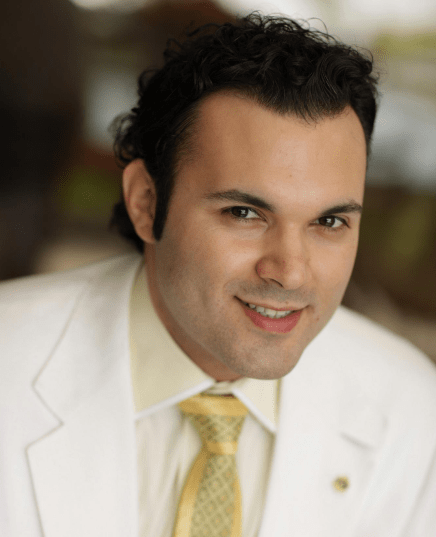
David Nazarian, M.D., is Board-Certified in Internal Medicine and provides physician-led hormone evaluation and individualized care for women and men. His approach emphasizes comprehensive assessment, patient education, individualized treatment, safety, and ongoing follow-up. Dr. Nazarian specializes in bio-identical hormone replacement therapy in men & women. He has extensive training and knowledge in treating andropause and testosterone replacement therapy in men and menopause and estrogen replacement therapy in women. Supported by his experienced medical team, Dr. Nazarian treats men and women with hormone deficiencies and imbalances and enjoys the one-on-one relationship between patient and doctor.

HRT LA provides physician-led hormone evaluation and individualized care in Beverly Hills and Los Angeles with David Nazarian, M.D.
Copyright ©2026 Hormone Replacement Therapy LA. All rights reserved.