
CJC-1295 and ipamorelin are commonly marketed together as growth-hormone secretagogues for body composition, recovery, sleep or “anti-aging.” These uses are not FDA-approved indications, and the quality of human evidence is limited.
Patients searching for CJC-1295, ipamorelin near me, or growth-hormone peptides are often looking for help with body composition, sleep, recovery or so-called hormone optimization. These symptoms are nonspecific, and CJC-1295 and ipamorelin are not FDA approved for general anti-aging or hormone optimization. Evaluation should first determine whether a true endocrine disorder exists and whether a better-established treatment is available.
In Los Angeles and Beverly Hills, our approach is physician-led and focuses on the underlying diagnosis, IGF-1 or other testing when clinically indicated, FDA status, evidence and safety rather than automatically recommending a secretagogue.
CJC-1295 is a growth-hormone-releasing hormone analog. Ipamorelin is a growth-hormone secretagogue that acts at the ghrelin receptor. Both can affect growth-hormone signaling, but biological activity alone does not establish that they are safe or effective for general wellness or performance goals.
Neither CJC-1295 nor ipamorelin is FDA approved for anti-aging, muscle gain, fat loss, sleep improvement or general hormone optimization. FDA has identified safety concerns regarding compounded use of these substances, including limited clinical safety information and peptide-related risks.
FDA: Certain Bulk Drug Substances May Present Significant Safety Risks
Possible concerns include effects on glucose regulation, fluid balance, endocrine signaling, injection-site reactions, product impurities and immune reactions. Risks depend on the exact compound, route, dose, source and patient factors.
Growth-hormone treatment is not used simply to raise hormone levels in healthy adults. Evaluation for growth-hormone disorders requires appropriate clinical context and testing. For suspected adult growth hormone deficiency, see our growth hormone deficiency and replacement therapy page. Symptoms such as fatigue, poor recovery or reduced muscle mass have many more common causes.
If a growth-hormone disorder is suspected, IGF-1 testing and additional endocrine testing may be considered. Random growth-hormone measurements are usually not useful because secretion is pulsatile.
They are not FDA-approved drugs for general anti-aging, body-composition, recovery, sleep or hormone-optimization treatment. FDA has identified safety concerns and limited clinical safety information relevant to compounded CJC-1295 and ipamorelin.
They act on pathways involved in growth-hormone secretion, but a pharmacologic effect does not establish that treatment improves health outcomes in people without a diagnosed disorder. Symptoms should be evaluated before attempting to alter growth-hormone signaling.
FDA has cited serious adverse events associated with CJC-1295, including increased heart rate and systemic vasodilatory reaction, while available clinical data remain limited. For ipamorelin, FDA has identified concerns involving immunogenicity, peptide-related impurities and insufficient safety information for commonly proposed injectable routes.
No. Secretagogues stimulate signaling intended to influence endogenous growth-hormone release, whereas prescription recombinant human growth hormone replaces growth hormone for specific approved indications. They should not be treated as interchangeable therapies.
We review the specific compound, FDA status, human evidence, risks and alternatives rather than treating all peptides as one category. When an FDA-approved treatment or better-supported approach exists, that is part of the decision.
See our peptide therapy and medical evaluation page and our IGF-1 testing and therapy page.
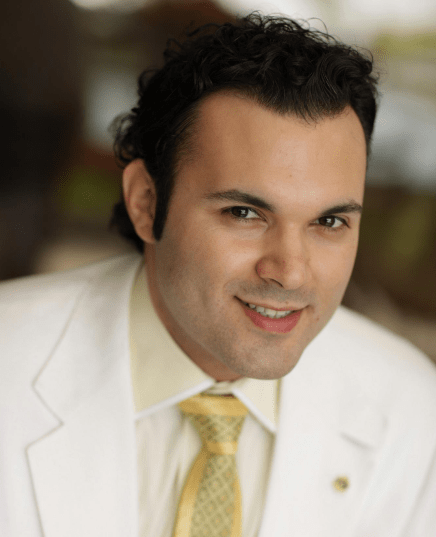
David Nazarian, M.D., is Board-Certified in Internal Medicine and provides physician-led hormone evaluation and individualized care for women and men. His approach emphasizes comprehensive assessment, patient education, individualized treatment, safety, and ongoing follow-up. Dr. Nazarian specializes in bio-identical hormone replacement therapy in men & women. He has extensive training and knowledge in treating andropause and testosterone replacement therapy in men and menopause and estrogen replacement therapy in women. Supported by his experienced medical team, Dr. Nazarian treats men and women with hormone deficiencies and imbalances and enjoys the one-on-one relationship between patient and doctor.

HRT LA provides physician-led hormone evaluation and individualized care in Beverly Hills and Los Angeles with David Nazarian, M.D.
Copyright ©2026 Hormone Replacement Therapy LA. All rights reserved.