
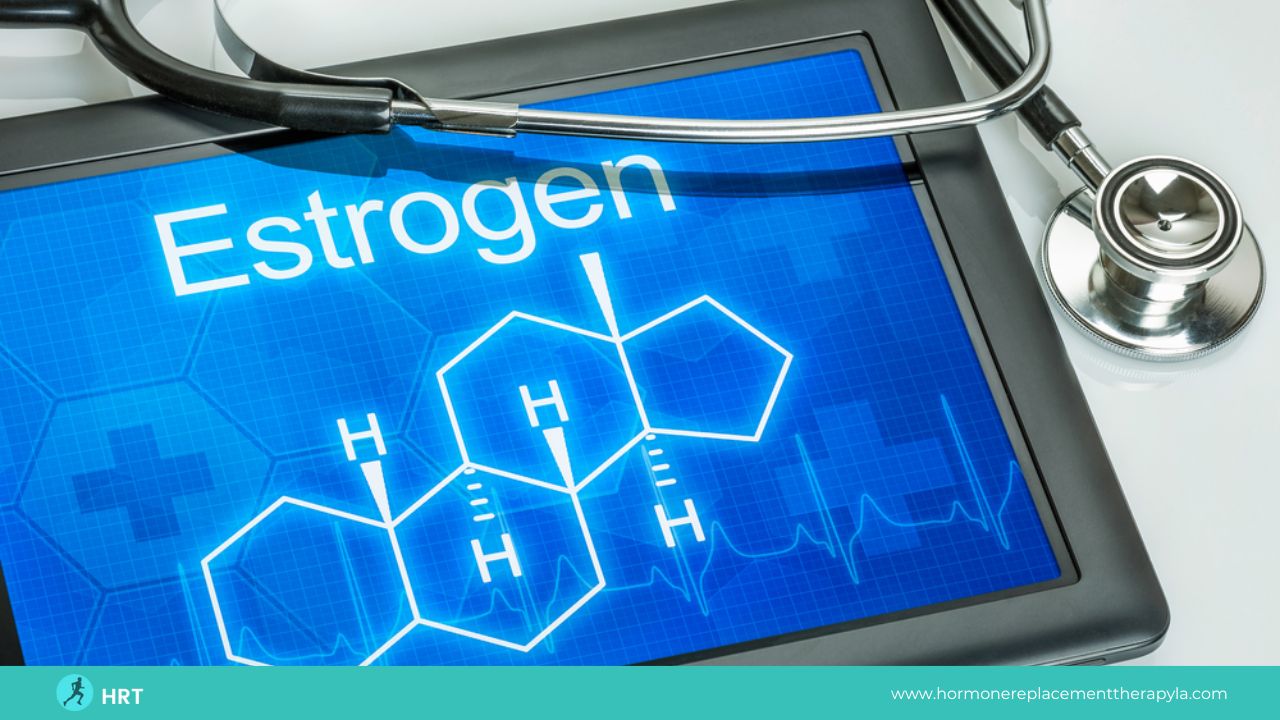
Are you curious about how thyroid medication might impact your estrogen levels? As a woman, you know that hormonal balance plays a crucial role in your overall health and well-being. This blog will look at the interactions between thyroid medication and estrogen levels.
Our goal is to educate and motivate readers like you to consider thyroid hormone replacement treatment if needed. So, let’s dive in and explore this fascinating topic.
Understanding Thyroid Disorders and Estrogen Imbalances
The thyroid gland, a butterfly-shaped organ located in the neck, regulates your body’s metabolism. It produces essential hormones like thyroxine (T4) and triiodothyronine (T3).
Sometimes, the thyroid gland doesn’t function as it should, leading to common thyroid disorders such as hypothyroidism (underactive thyroid) or hyperthyroidism (overactive thyroid). These conditions can cause symptoms like fatigue, weight gain or loss, and mood swings.
Meanwhile, estrogen is crucial for developing and regulating the female reproductive system. An imbalance in estrogen levels—either an excess or deficiency—can result in numerous health issues, including irregular menstrual cycles, mood swings, and even an increased risk of certain diseases.
Connection Between Thyroid Medication and Estrogen Levels
Research has shown that there is a connection. Some thyroid medications can impact how the body metabolizes estrogen, potentially leading to imbalances.
For instance, hypothyroidism can cause an increase in a protein called sex hormone-binding globulin (SHBG), which binds to estrogen and affects its availability in the body.
Does Estrogen Interfere With Thyroid Medication?
Estrogen can affect thyroid hormone replacement mainly by increasing thyroxine-binding globulin (TBG), particularly with oral estrogen therapy.
TBG binds thyroid hormones in the bloodstream. Oral estrogen can increase TBG production through its hepatic first-pass effect, which may change measured thyroid hormone levels and levothyroxine requirements in some patients.
When TBG rises, more thyroid hormone is protein-bound. In patients taking levothyroxine, this can sometimes raise TSH and lead to a need for dose reassessment rather than indicating that estrogen directly damages the thyroid gland.
Levothyroxine and Estrogen
For people taking levothyroxine, starting or stopping estrogen—especially oral estrogen—can change thyroid hormone requirements in some cases. Thyroid function should be rechecked after a clinically significant change rather than adjusting the dose automatically.
Transdermal Estrogen Impact On Thyroid Medication
Transdermal estradiol generally has less effect on TBG than oral estrogen because it avoids the same hepatic first-pass effect. Clinical studies in women with hypothyroidism have found oral estradiol more likely than transdermal estradiol to produce clinically meaningful thyroid-test changes.
Can You Take Estradiol and Levothyroxine at the Same Time?
They can be prescribed together, but thyroid function may need follow-up after estrogen therapy is started, stopped, or substantially changed. The route of estrogen matters: oral estrogen is more likely than transdermal estradiol to increase TBG and alter levothyroxine requirements.
Weight Gain, Mood Swings, and Fatigue: Are Thyroid Medication and Estrogen Imbalances to Blame?
Thyroid disorders, such as hypothyroidism (underactive thyroid) and hyperthyroidism (overactive thyroid), can cause many symptoms that affect your daily life.
An underactive thyroid can lead to weight gain, fatigue, and mood swings, while an overactive thyroid can result in weight loss, irritability, and anxiety.
Thyroid medication, such as levothyroxine for hypothyroidism or anti-thyroid drugs for hyperthyroidism, helps regulate thyroid hormone levels, which can alleviate these symptoms.
Estrogen Imbalances and Their Effects on Weight Gain, Mood Swings, and Fatigue
Estrogen imbalances, either estrogen dominance or deficiency, can also contribute to weight gain, mood swings, and fatigue.
Estrogen is vital in regulating metabolism, mood, and energy levels. An imbalance in estrogen levels can lead to fluid retention, increased appetite, and changes in mood, which can manifest as weight gain, mood swings, and fatigue.
Benefits of Thyroid Hormone Replacement Treatment
If you suffer from a thyroid disorder, thyroid hormone replacement treatment can offer numerous benefits for your overall health and well-being.
By restoring the balance of thyroid hormones in your body, this treatment can help improve your energy levels and mood and even assist in managing your weight. In addition, proper thyroid hormone treatment can help regulate estrogen levels, promoting hormonal balance and reducing the risk of complications associated with estrogen imbalances.
Many women have found relief from their symptoms and improved quality of life after undergoing thyroid hormone replacement treatment. These success stories testify to the potential benefits of this therapy for women experiencing hormonal imbalances due to thyroid disorders.

Natural Approaches to Balance Thyroid and Estrogen Levels
In addition to medical treatments like thyroid hormone replacement therapy, you can explore natural approaches to balance your thyroid and estrogen levels.
By adopting a healthy diet, making positive lifestyle changes, and considering the use of supplements, you can support your hormonal health and overall well-being. Let’s explore these avenues in more detail.
Diet
Diet plays a significant role in maintaining hormonal balance. Consuming nutrient-dense foods that support thyroid and estrogen health can make a difference. Consider incorporating the following dietary choices:
- Foods rich in iodine, selenium, and zinc: These minerals are essential for thyroid hormone production. Incorporate foods like sea vegetables (kelp, nori), Brazil nuts, pumpkin seeds, and oysters into your diet.
- Foods high in fiber: Fiber helps regulate estrogen levels by promoting healthy digestion and elimination. Choose fruits, vegetables, whole grains, and legumes to increase your fiber intake.
- Phytoestrogen-rich foods: These plant-based compounds can help balance estrogen levels. Add soy products, flaxseeds, and cruciferous vegetables (broccoli, kale, and cauliflower) to your meals.
Lifestyle
Adopting positive lifestyle habits can also contribute to improved thyroid and estrogen balance:
- Regular exercise: Physical activity can help regulate thyroid function and promote hormonal balance. Aim for at least 30 minutes of moderate exercise most days of the week.
- Stress management: Chronic stress can impact hormonal health. Practice relaxation techniques like deep breathing, meditation, or yoga to manage stress effectively.
- Sleep hygiene: Quality sleep is essential for hormone regulation. Aim for 7-9 hours of restful sleep each night and establish a consistent bedtime routine.
Supplements
While it’s always best to obtain nutrients from whole foods, certain supplements can provide additional support for hormonal balance:
- Probiotics: A healthy gut is vital for hormone regulation. Consider taking a probiotic supplement to support digestive health and promote estrogen balance.
- Vitamins and minerals: Supplementing with vitamins and minerals such as B vitamins, vitamin D, magnesium, and selenium can benefit thyroid health.
- Adaptogenic herbs: Some herbs, like Ashwagandha and Rhodiola, can help the body adapt to stress and support hormonal balance. Consult with a healthcare professional before adding any new supplements to your regimen.
Conclusion
In summary, thyroid medication can indeed affect your estrogen levels, making it essential for women with thyroid disorders to be aware of this connection.
Thyroid hormone replacement treatment can provide numerous benefits, including improved hormonal balance and overall well-being. You can take steps toward better hormonal health by taking charge of your health and seeking professional guidance.