
TB-500 is a name commonly used for a synthetic fragment associated with thymosin beta-4. It is promoted online for injury recovery, tissue repair and athletic performance, but these uses are not supported by established FDA-approved indications.
No. TB-500 is not an FDA-approved treatment for muscle, tendon or ligament healing, athletic recovery, anti-aging or other commonly marketed uses.
The FDA lists thymosin beta-4 fragment (LKKTETQ), also known as TB-500, among bulk drug substances that may present significant safety risks for compounding. The agency notes potential immunogenicity and peptide-related impurities and states that it has not identified human exposure data sufficient to characterize safety.
FDA: Bulk Drug Substances That May Present Significant Safety Risks
Research involving thymosin beta-4 biology does not establish that TB-500 products sold or compounded for human use are safe or effective. Claims about faster healing, greater strength or improved recovery should therefore be viewed cautiously unless supported by high-quality human clinical trials for the exact product and indication.
Products sold outside standard pharmaceutical channels may have uncertain identity, purity, concentration and sterility. A label stating “research use only” does not make a product appropriate for human administration.
The first step is to establish the diagnosis. Tendon, ligament, muscle and joint problems can require very different treatments, and evidence-based options may include physical therapy, activity modification, imaging, medication, injections or specialist care depending on the condition.
We separate FDA-approved peptide-based medications from experimental compounds and discuss regulatory status, evidence and alternatives before treatment decisions are made.
Learn more on our Peptide Therapy and Medical Evaluation page and our peptide safety and FDA-status guide.
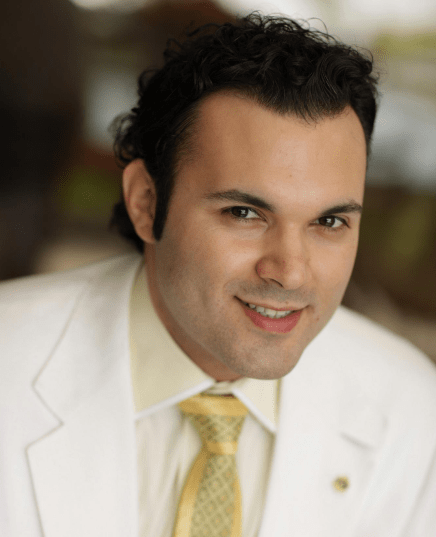
David Nazarian, M.D., is Board-Certified in Internal Medicine and provides physician-led hormone evaluation and individualized care for women and men. His approach emphasizes comprehensive assessment, patient education, individualized treatment, safety, and ongoing follow-up. Dr. Nazarian specializes in bio-identical hormone replacement therapy in men & women. He has extensive training and knowledge in treating andropause and testosterone replacement therapy in men and menopause and estrogen replacement therapy in women. Supported by his experienced medical team, Dr. Nazarian treats men and women with hormone deficiencies and imbalances and enjoys the one-on-one relationship between patient and doctor.

HRT LA provides physician-led hormone evaluation and individualized care in Beverly Hills and Los Angeles with David Nazarian, M.D.
Copyright ©2026 Hormone Replacement Therapy LA. All rights reserved.