
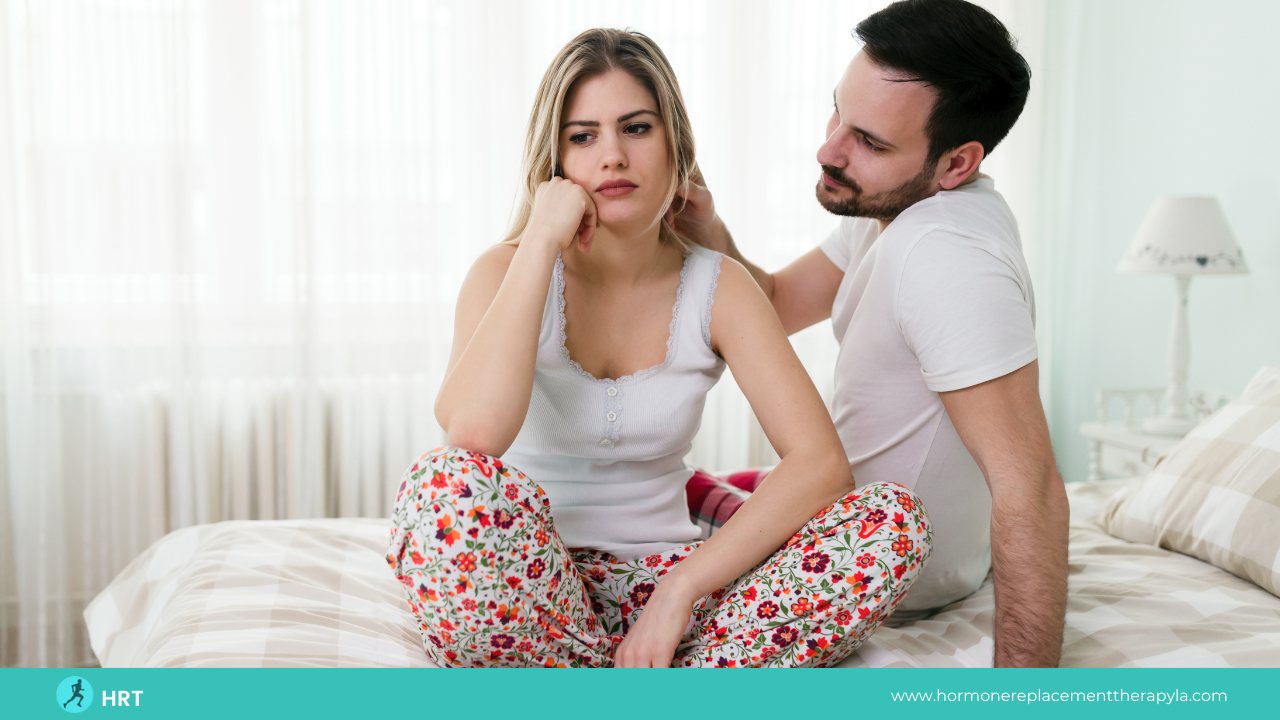
Searches for “low testosterone in women” are common, but the medical evidence is more nuanced than the phrase suggests. In healthy women, there is no universally accepted blood-test threshold that defines a general “androgen deficiency syndrome,” and testosterone levels do not reliably explain nonspecific symptoms such as fatigue, weight change or low mood.
That does not mean testosterone is irrelevant in women. It means symptoms should be evaluated in context and testosterone therapy should not be used as a catch-all treatment.
What Does Testosterone Do in Women?
Women produce androgens, including testosterone, from the ovaries and adrenal glands. Levels generally decline with age, but symptoms cannot be diagnosed from a testosterone number alone. Sexual desire, energy and well-being are influenced by many factors including menopause status, estrogen changes, medications, sleep, mood, relationship factors, thyroid disease and other medical conditions.
Can Women Have “Low Testosterone”?
The Endocrine Society recommends against diagnosing a generalized androgen deficiency syndrome in otherwise healthy women because a well-defined syndrome and a validated diagnostic blood level have not been established. A low laboratory value therefore should not automatically lead to testosterone treatment.
When Is Testosterone Therapy Considered in Women?
Evidence supporting testosterone therapy in women is narrow. Professional guidance supports consideration primarily for carefully selected postmenopausal women with hypoactive sexual desire disorder (HSDD) after a comprehensive evaluation has excluded other contributors. Evidence does not support routine testosterone treatment for weight loss, cognition, bone health, cardiovascular prevention, general wellness or nonspecific fatigue.
What Should Be Evaluated Before Treatment?
- Menopause and menstrual history
- Sexual symptoms and how long they have been present
- Medications that may affect libido or sexual function
- Depression, anxiety, sleep and relationship factors
- Thyroid and other medical conditions when clinically indicated
- Estrogen-related symptoms such as vaginal dryness or pain
- Relevant laboratory testing when it will change management
Women with vaginal dryness, pain with intercourse or urinary symptoms may have genitourinary syndrome of menopause, which has different treatment options.
Safety and Monitoring
Women receiving testosterone require monitoring for androgenic adverse effects such as acne, unwanted hair growth, scalp hair changes and voice changes. Long-term safety data are more limited than for established menopause therapies. Testosterone products specifically formulated and FDA-approved for female sexual dysfunction are not widely available in the United States, which makes individualized prescribing and monitoring especially important.
What About Testosterone Blood Tests in Women?
Testing can sometimes help clarify androgen excess or provide a baseline when treatment is being considered, but it should not be used to diagnose nonspecific symptoms by itself. Results must be interpreted using the laboratory method, clinical context and the reason for testing.
Women’s Hormone Evaluation in Los Angeles
If you are experiencing changes in sexual desire, menopause symptoms, fatigue or other hormonal concerns, the goal is to determine the most likely cause rather than assume testosterone is the answer. Learn more about menopause care, perimenopause evaluation, and hormone testing.